Conveyor rollers manufacturer
Conveyor Roller Manufacturer
From concept to manufacture and delivery to your site, we are with you every step of the way!
We have over 30 years of industry experience to back us up. We know that what we do best is customise conveyors and solutions for your business.

Your Top Conveyor Roller Supplier And Manufacturer
With more than 30 years, GCS adopts advanced technology in its manufacturing operations to implement automatic mechanical production: Automated mechanical roller line, drumline, bracket line: CNC machine tools; Automatic welding robot arm; CNC automatic tapping machine; Data control punching machine; shaft processing line; Metal stamping production line.
Bearing of Idlers
Numerical Tolerance
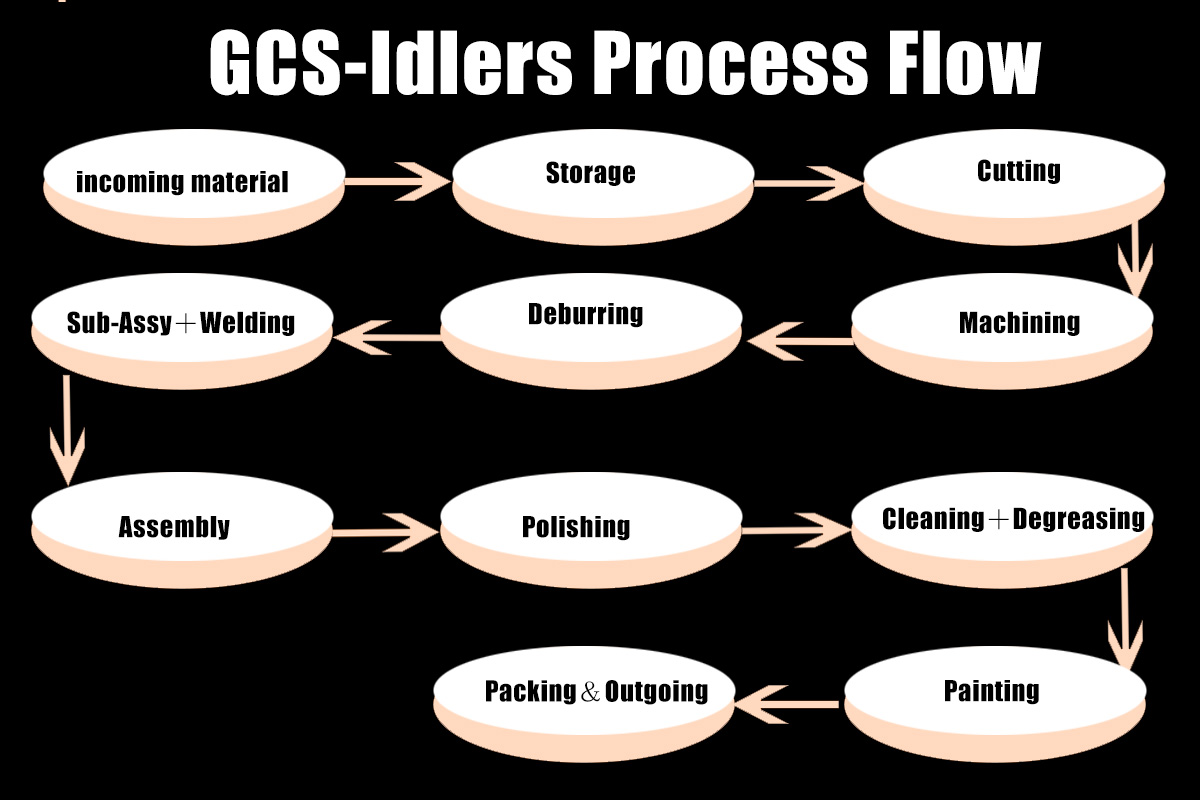
Process Flow
Bearing of Idlers
| Bearing size | Outside Diametermm |
O.D. Tolerance Class 0 (normal tolerance) |
| 6204 | 47.000 | 0/-11 |
| 6205 | 52.000 | 0/-13 |
| 6305 | 62.000 | |
| 6306 | 72.000 | |
| 6307 | 80.000 | |
| 6308 | 90.000 | 0/-15 |
| 6309 | 100.000 | |
| 6310 | 110.000 | |
| 6311 | 120.000 | 0/-18 |
Numerical Tolerance
|
Roll O.D. (mm) |
Diameter Tolerance (mm) | Wall Thickness (mm) | Wall Thickness Tolerance(mm) |
|
108 |
±0.60 |
2.75 | ±0.27 |
| 3.0 | ±0.30 | ||
| 3.25 | ±0.32 | ||
| 4.5 |
±0.35 |
||
| 5.0 | |||
|
114 |
±0.60 |
2.75 | ±0.27 |
| 3.0 | ±0.30 | ||
| 3.25 | ±0.32 | ||
| 5.0 |
±0.35 |
||
|
127 |
±0.80 | 3.5 | |
|
133 |
±0.80 |
3.5 | |
| 4.0 | |||
| 5.0 | |||
|
139 |
±0.80 |
3.75 | |
| 4.0 | |||
|
152 |
±0.90 | 4.0 | |
|
159 |
±0.90 | 4.5 | |
|
165 |
±0.90 | 5.0 | |
|
178 |
±1.0 | 5.0 |
Process Flow
| Incoming Material | Cutting | Machining | Deburring | Sub-Assy+Welding | Assembly | Polishing | Cleaning+Degreasing | Packing&Outgoing |
| a) Material Type b) Thickness c) Appearance d) Roundness e) Straightness |
a) Appearance | a) Dimension b) Straightness c) Appearance |
a) Dimension (Customer Spec)b) Appearance c) Concentricity |
a) Deburring | a) Rotation Resistance b) Runout d) Dust Resistance |
a) Surface cleaning | a) Appearance | a) Quality As Per Packing Std |
Advantages Of Products
Carrying Idlers

Troughing Idlers Wholesale & Custom Size
Troughs are common carrying idler types on the load side of roller conveyors. They are usually installed in a trough-shaped frame on the load side along the length of the conveyor belt to guide the rubber conveyor belt and support the conveyed material.
The troughing idler includes a central idler with a certain width and side wing idlers on both sides of the central roller.
Trough idlers usually have 20°, 35°, and 45° angles.

Offset Idler Wholesale & Custom Size
The offset idler is used to support conveyor belts and material.
The standard trough angle is generally divided into 20°,30°,35°, and 45°.
it can be arranged throughout the whole course to prevent the conveyor belt from off-tracking.

Impact Idlers Wholesale & Custom Size
In quarry and mining applications, when large, heavy and sharp materials fall onto the conveyor belt, they can cause impact and damage to the conveyor belt, which ultimately leads to downtime and higher replacement costs. Therefore, an impact idler is required in the material impact area.
It uses a rubber ring design to provide a buffer and absorb impact in the material impact area, and it minimizes the damage to the conveyor belt.
The interval between the impact idler set is usually 350 mm to 450 mm to provide overall support.

Picking Table Idlers Wholesale & Custom Size
Picking table idler is usually used at the material loading point under the hopper. Picking idler incorporates an onger center roll and shorter.
Inclined rollers to supply large cargo. Compared with the troughing idler, the center roller of the transition table idler is longer, and the short roller with a 20° trough angle can disperse materials to the greatest extent and make inspection and classification easier.

Flat Carrying Idlers Wholesale & Custom Size
Flat-carrying idlers are used with flat belts where a trough is not required to contain material.
They are used for picking, sorting, feeding, or plowing material from the belt.
Flat Carry is available with Rubber Discs or as Steel Rolls.

Self-training Idler Wholesale & Custom Size
The misalignment of the conveyor belt may cause material overflow. Therefore, when installing the idler rollers, a self-training idler group must be installed, which can control the alignment of the conveyor belt on the support side.
A self-training roller is usually placed at intervals of 100-150 feet. When the total length of the belt is less than 100 feet, at least one training idler should be installed.
The self-training roller has a troughing angle of 20°, 35°, and 45°.

Friction Training Carrier Idler Wholesale & Custom Size
Friction training carrier idler is used to automatically adjust the deviation of the conveyor belt.
Generally, a set of friction training carrier idlers is arranged for every 10 sets of trough idlers in the loading section.

Taper training carrier ldlers Wholesale & Custom Size
Taper training carrier idler is used to automatically adjust the deviation of the conveyor belt, with wear resistance and long working life, lightweight, small rotation inertia, proper structure, reliable sealing, and excellent anti-corrosion performance. Taper training carrier idler can be customized and is low MOQ.
Return Idlers

Impact Flat Idlers Wholesale & Custom Size
It is often used for conveying materials on high-speed flat belts.
Transporting large, hard materials requires the use of impact flat belt idlers.
Flat impact idler can buffer and protect the belt.

Flat Return Idlers Wholesale & Custom Size
The flat return idler is the most common idler on the return side of the raw material receiving roller conveyor to support the return run of the conveyor belt.
It consists of a steel rod installed on two lifting brackets, which can effectively prevent the belt from stretching, slacking, and damage.

Rubber Disc Return Idlers Wholesale & Custom Size
These Rubber Disc Return Idlers are commonly used in the application of conveying viscous and abrasive materials, the rubber disc can remove the materials stuck on the conveyor belt on the return side.

Self-training Return Idlers Wholesale & Custom Size
It is used to control the alignment of the conveyor belt on the return side to prevent damage to the conveyor belt and structure.
The installation distance is the same as the self-training idler on the support side.

V-return Idlers Wholesale & Custom Size
The return idler group composed of two rollers is called V return idler group. Usually used for long-distance land conveyors, suitable for applications requiring heavy, high-tension fabrics and steel cord conveyor belts. Two rollers have a higher rated load than a single roller, which can provide better belt support and belt training.
The included angle of the V return idler is usually 10° or 15°.

Suspended Ldler2roll/3roll/5roll Wholesale & Custom Size
Suspended idlers have good self-balance. When the belt is off-tracking, the material redistribution in the operation causes the deformation of the idler plane and the load asymmetry of side idlers.
The tilt angle of the inverted roller on the side of the off-tracking belt is larger than that of the other side roller, which would result in the deflection of the intermediate idler to reduce the regulating force.
This adjustment will produce the opposite thrust and correct the belt.
BW:750-1800(mm)
PIPE DIA(mm):127/152/178
Video Collection
1. Factory direct with pretty competitive prices of pipe conveyor rollers
2. Quality guaranteed after the check by the QA department
3. OEM order is highly welcomed and easily achieved. All customized requests are available, including customized logos, packaging boxes, details of products, etc.
4. Fast delivery time. 1-2 days shipped out after payment.
5. Professional Team. All members of our team have been in the field for at least 3 years with professional knowledge and kind services.
Conveyor Industry Resources for Engineers


Structural Design and Criterion of Roller Conveyor
The roller conveyor is suitable for conveying all kinds of boxes, bags, pallets, etc. Bulk materials, small items, or irregular items need to be transported on pallets or in turnover boxes.
Pipe belt conveyor and application scenarios
The pipe conveyor has a wide range of applications. It can transport materials vertically, horizontally, and obliquely in all directions. And the lifting height is high, the conveying length is long, the energy consumption is low, and the space is small.
GCS belt conveyor types and application principle
Common belt conveyor structure in various forms, climbing belt machine, tilt belt machine, slotted belt machine, flat belt machine, turning belt machine and other forms.
Frequently Asked Questions
Conveyor Roller-Ultimate Guide
Idlers are cylindrical rods that extend under and along the conveyor belt. It is the most important component/assembly of the trough belt conveyor. The idler is usually located in the trough-shaped metal support frame under the support side to support the conveyor belt and materials.
An important requirement for the idler is the proper support and protection of the belt and the appropriate support for the load being conveyed. Belt conveyor idlers for bulk materials are designed to contain drums of various diameters. The rollers are fitted with antifriction bearings and seals and are mounted on the shaft.
The frictional resistance of the idler roller affects the belt tension and thus the power demand. Roll diameter, bearing design and sealing requirements constitute the main factors affecting frictional resistance.
Choosing the right roll diameter and the size of bearings and shafts is based on the type of service, load carried, belt speed and operating conditions.
Features Of Conveyor Roller
Application Of Conveyor Roller
The products are widely used in coal mines, metallurgy, machinery, ports, construction, electricity, chemistry, food packing and other industries. It endures over 70% resistance of one belt conveyor. The conveyor roller(idler) is used for supporting conveyor belt and the material . There are many kinds roller that we supply, like steel, nylon, ceramic or rubber.
Sand and Aggregate Conveyor Example
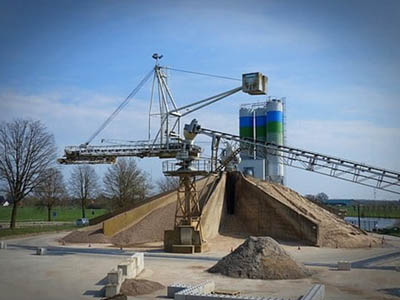
We are committed to producing high quality metal conveyor rollers.
Example of mining raw material loading and conveying
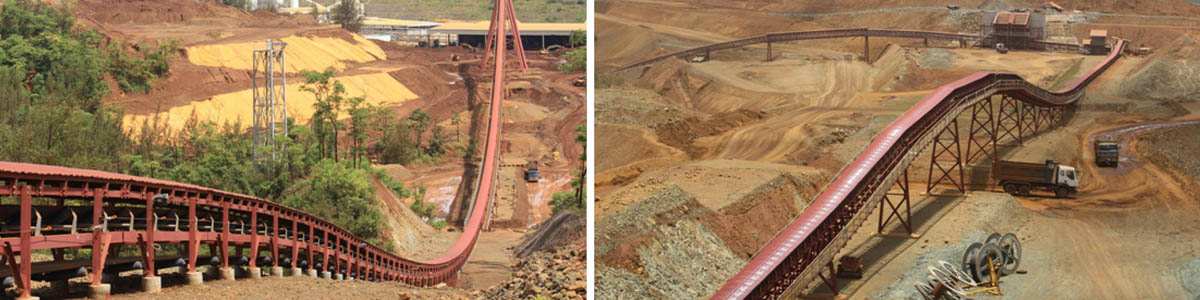
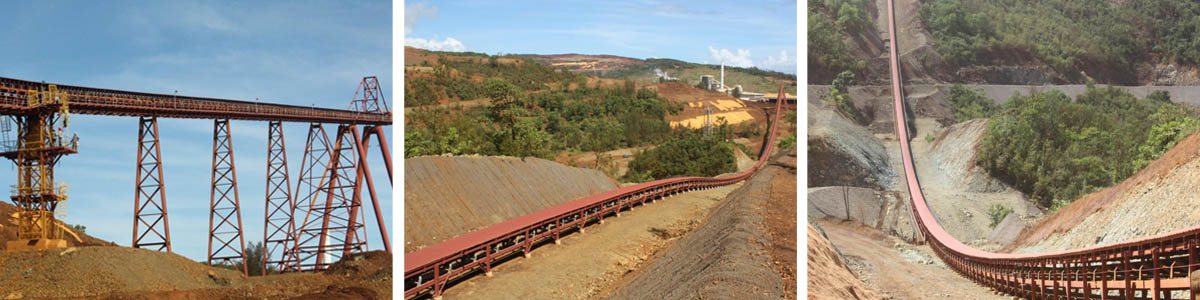
The industrial conveyor rollers we produced are of high precision, dust-proof and easy to use.
Example of power generation conveyor
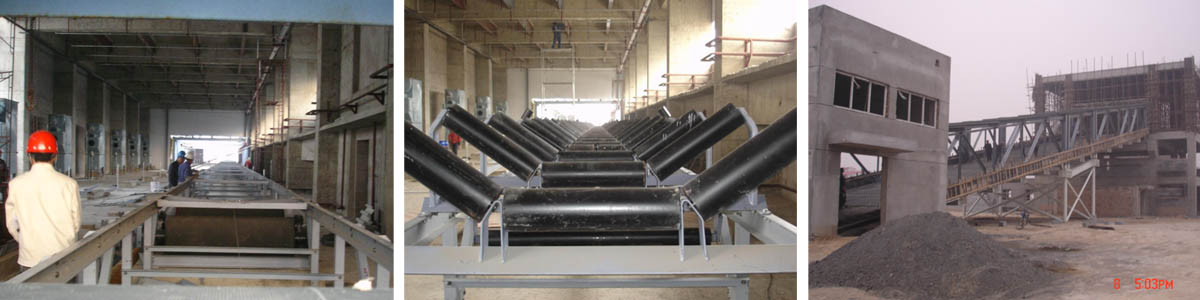
Powered rollers for conveyor usually used for transportation with a slope and a certain height.
Example of bulk coal transportation in port
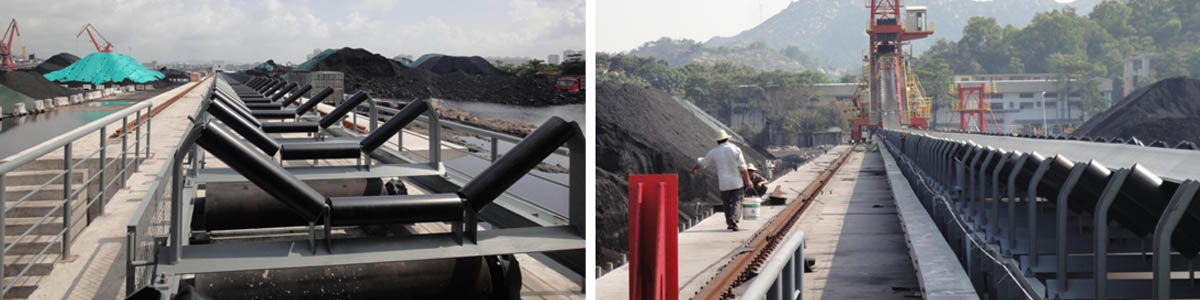
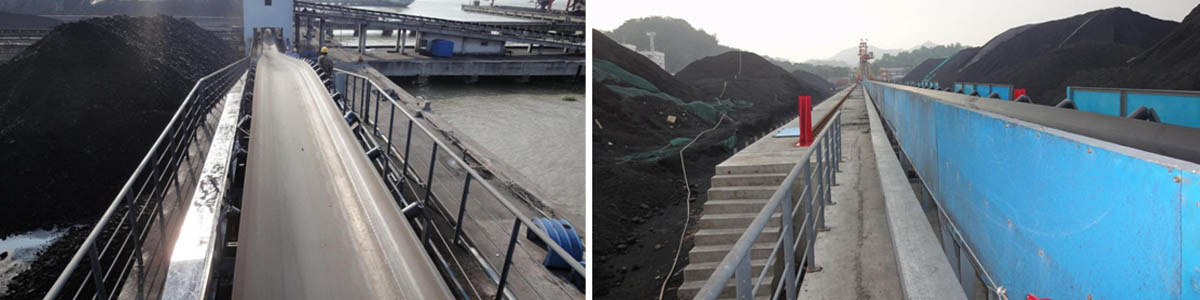
In mining industry, we can see heavy duty conveyor rollers everywhere. It is efficient to use this helpful tools.
Example of Aluminum ore raw material
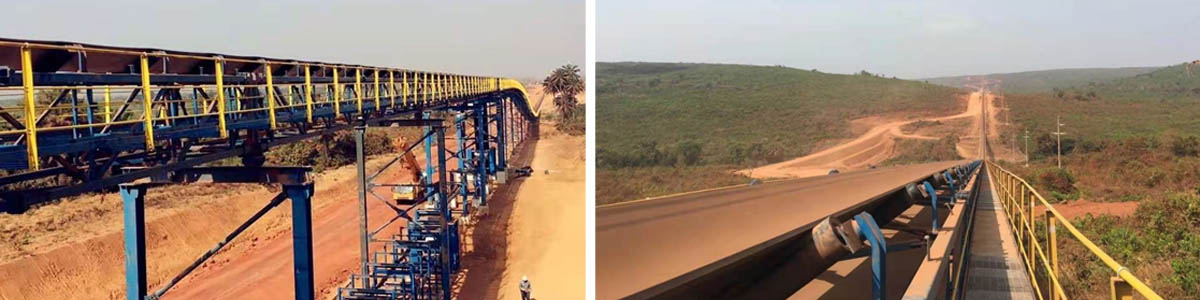
Our aluminum conveyor rollers product is hot-selling item in our factory. Not only durable but also beautiful.
Example of sealed pipe conveyor
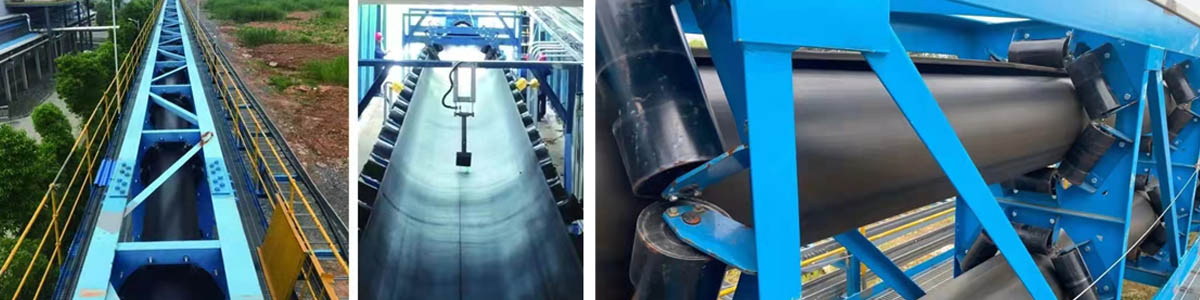
Pipe conveyor rollers are usually used in heavy-duty production and transmission.
Example of long-distance conveyor of precious metal ore
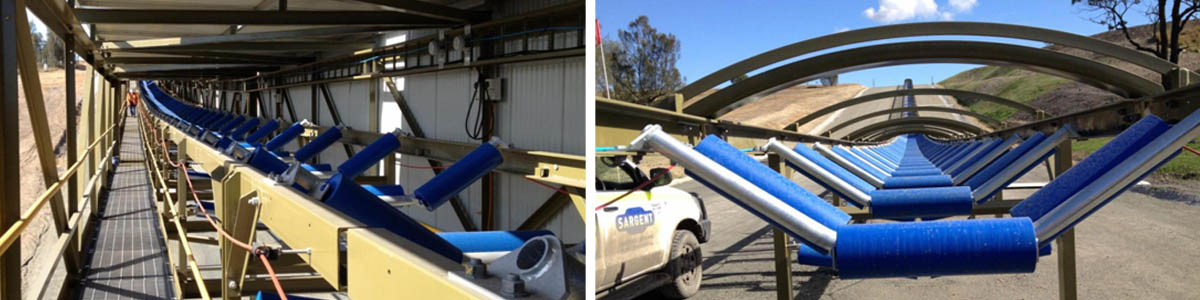
Our precision conveyor rollers are widely used all over the world, which are reliable and quality assurance.
Contact us for information on idler roller dimensions,conveyor idler specifications, conveyor idlerscatalogue and price.